

Magic: The Gathering is more than simply a card game; it's a rich in addition to immersive experience of which allows you in order to delve into imaginary realms and unleash powerful spells. Regardless of whether you’re a newcomer curious about the magic world or perhaps a seasoned game player looking to improve your skills, building your first Magic: The Gathering porch may be both interesting and daunting. Using a numerous cards, colors, and strategies to choose from, knowing the fundamentals regarding deck construction is vital to your achievement on the battleground.
Inside this ultimate guidebook, we will check out everything you want to know regarding crafting your very first deck. From choosing the right colours and understanding dimana to avoiding popular pitfalls and excessive your unique playstyle, we will render you with the knowledge and self confidence to create a deck of which not only holders out but likewise wins. So pick up your cards, engage into your creativity, and let’s begin on this wonderful journey together.
Understanding Porch Building Basics
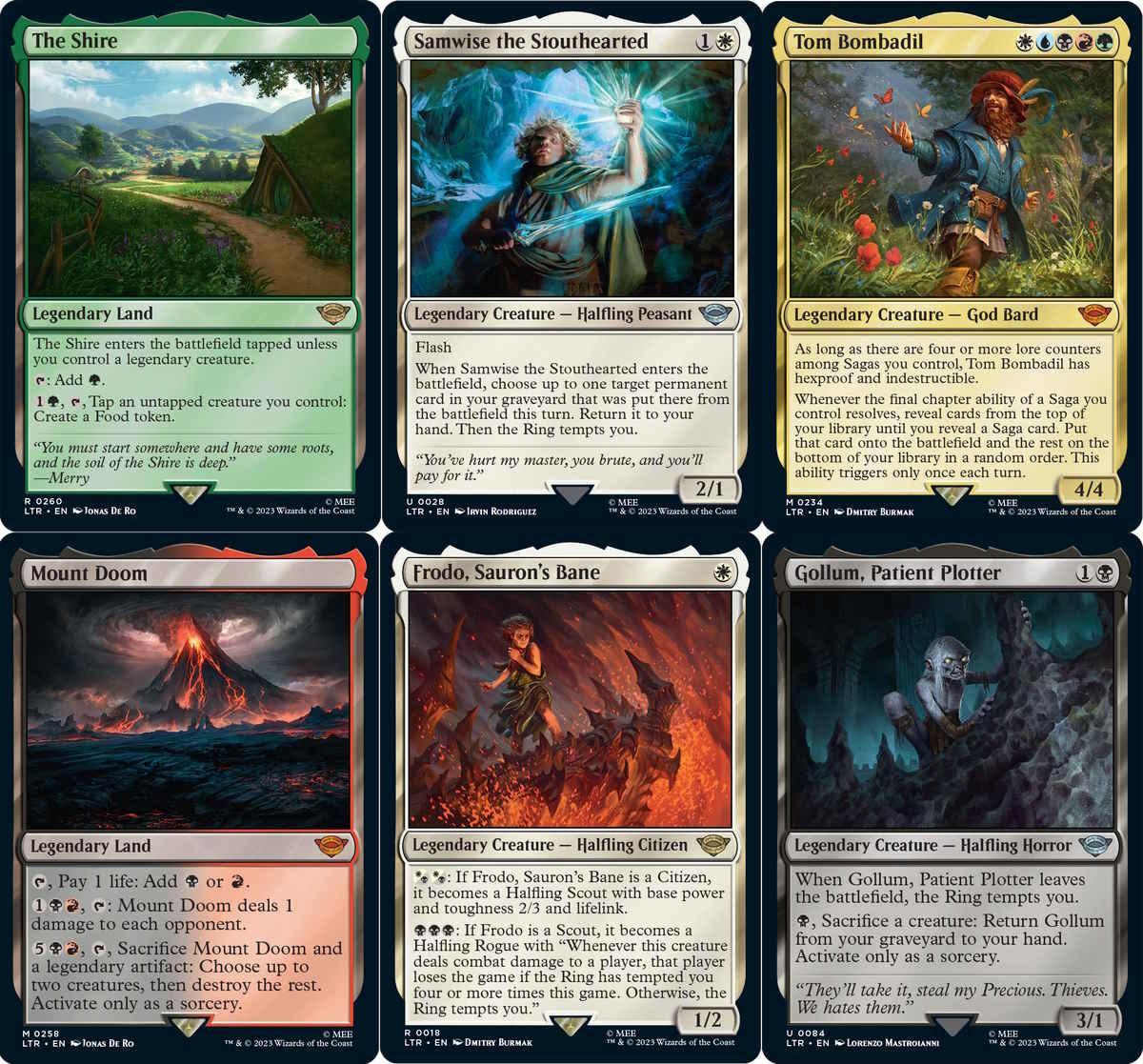
In Magic: The Gathering, composing your first floor can seem daunting, but understanding the basic principles makes the process easier and a lot more enjoyable. In its primary, a Magic terrace consists of a minimum of 60 cards, which often includes a blend of creatures, spells, and lands. Each of these credit card types plays a new vital role within your overall strategy, leading to your chances regarding winning games. Familiarizing yourself using these elements is essential for producing a solid base to your deck.
One associated with the most crucial aspects in deck developing is the mana system. Magic card singles is usually the resource used to cast spells and summon beings, and it will come from lands found in your deck. Each and every color of mana—White, Blue, Black, Red, and Green—represents different styles of participate in. Understanding how to balance your mana sources with your periods and creatures is key to sustaining a smooth and consistent performance throughout games. A well-constructed mana base assures that you could play your cards upon time and carry out your strategy efficiently.
Additionally, you should explore different deck archetypes that align along with your type of play. Whether you like hostile strategies that overwhelm opponents quickly, handle strategies that focus on board state management, or combination decks that rely on creating powerful interactions, knowing what archetypes exist will help you decide how to create your floor. Each archetype provides its own abilities and failings, so it’s beneficial to identify which a single resonates with your current gameplay preferences as you begin your journey into the world of Magic: The Gathering.
Choosing Your current Deck Strategy
When building your best Magic: The Gathering deck, selecting a strategy that will resonates together with your playstyle is crucial. Take into account whether you choose fast-paced, aggressive gameplay or even a more handled approach that permits for strategic organizing. Aggro decks commonly focus on coping damage quickly, frequently utilizing low-cost creatures to overwhelm opponents early. Conversely, management decks prioritize defending against threats whilst gradually gaining benefit with powerful means and late-game get conditions. Understanding your requirements will guide the selection of greeting cards that align using your chosen method.
Another essential aspect is always to explore the archetypes available in Magic: The Gathering. Every single archetype brings the unique flavor in addition to strategies, such as mid-range decks that blend elements of hostility and control. By familiarizing yourself along with the different deck types, you is going to be better equipped to craft some sort of deck that not only fits in the competitive scenery but also expresses your own individual style. Study popular archetypes want aggro, control, combo, and midrange to decide which that appeals to you the most.
Once a person have determined your current preferred strategy and archetype, it's time and energy to choose the right color combination. Every color in Magic: The Gathering presents distinct strengths in addition to abilities that may influence your game play. For example, red is known for the intense creatures and burn off spells, while pink excels in greeting card draw and counterspells. Selecting a colour or combination of colors that go with your strategy will certainly allow you in order to make a cohesive and effective deck. Think about how you could try here come together to support your overall strategy, ensuring that you have the needed tools to execute your strategy efficiently.
Suggestions for Budget Floor Construction
Building a Magic: The Gathering floor on a tight budget can get both rewarding in addition to challenging. The 1st step is to be able to determine which formatting you would like to play, since this will affect your card alternatives and budget constraints. Focus on acquiring cards from latest sets or those that have been reprinted, since they tend to be more affordable. Look out for bulk provides and sales at local game shops, online marketplaces, or perhaps through community teams where players usually sell or business cards.
Instead of chasing high-value rare credit cards, consider utilizing commons in addition to uncommons that can easily still create a reasonably competitive deck. Many budget friendly cards have excellent synergies and can conduct well in specific strategies. For illustration, if you are building an aggro deck, prioritize beings which may have good statistics for his or her mana price, or those along with abilities that match your overall strategy. Additionally, explore alternative win conditions that will don't rely on expensive cards, making it easier to win without overspending.
Last but not least, don’t hesitate to build your deck gradually. Start with a solid primary of budget credit cards and playtest your current deck to determine any weaknesses. A person can then choose to invest in a number of key cards of which enhance your deck's performance over time. In this way, you can certainly adapt your technique based on what works best while keeping your overall spending budget in balance. Engaging along with your group can easily also provide opportunities to trade or perhaps share cards, assisting you to create a stronger deck without overspending.